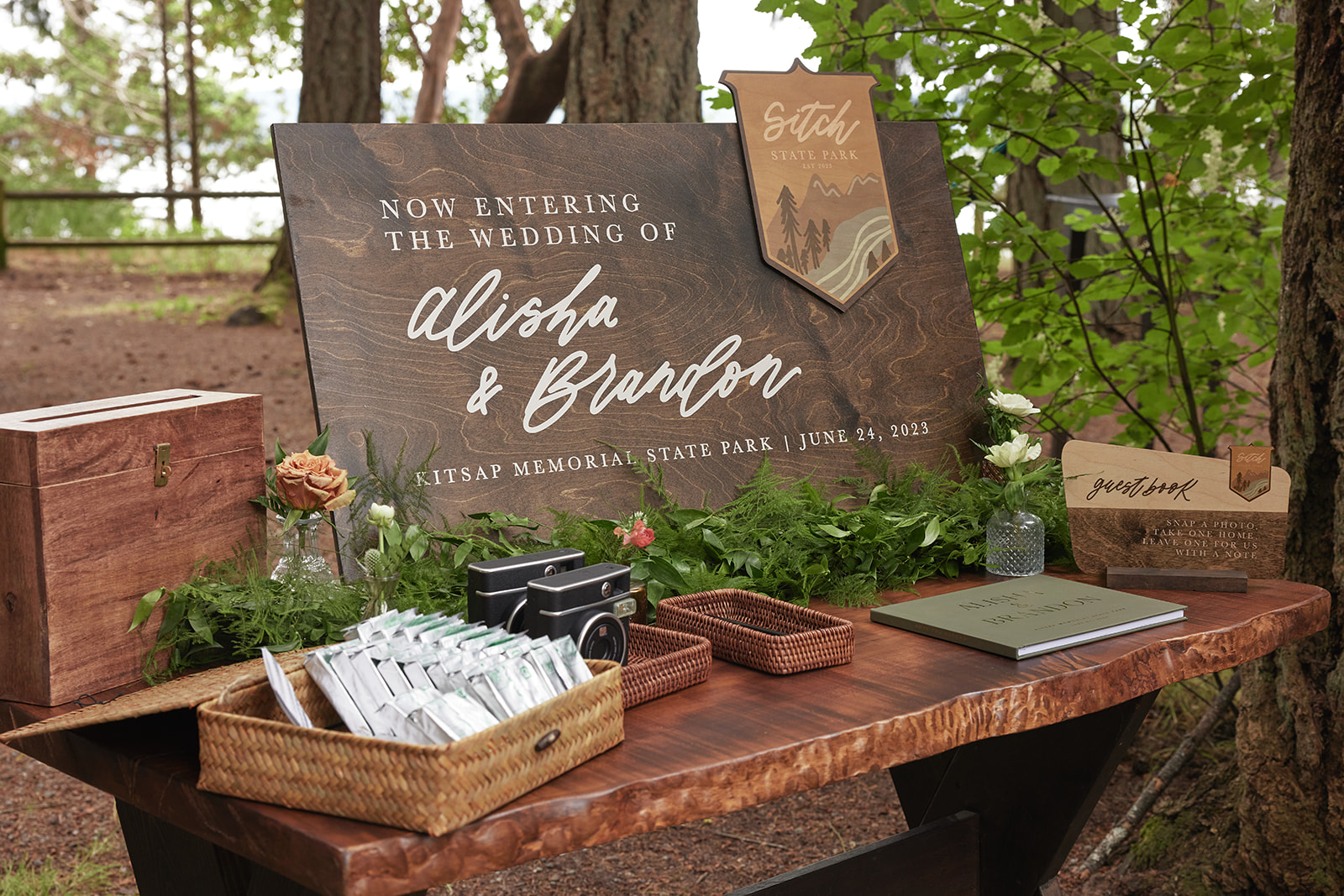
There’s a version of wedding planning that focuses heavily on the visual side of the day. The palette. The rentals. The tablescape. The aesthetic choices that photograph beautifully.
Those things absolutely matter. But they are not usually what guests remember most.
Guest experience is built on comfort, flow, and logistics. It’s subtle when done well and extremely obvious when it’s not. Most guests are not walking into a wedding evaluating charger plates or critiquing floral varieties. They are subconsciously asking themselves:
- Do I know where I’m supposed to go?
- Am I comfortable?
- Can I hear what’s happening?
- Am I hungry?
- Have I been standing in line for 20 minutes?
- Does this day feel easy to participate in?
Here are some of the things guests actually care about most at weddings, often far more than couples realize.
The Card Box Is Weirdly Important
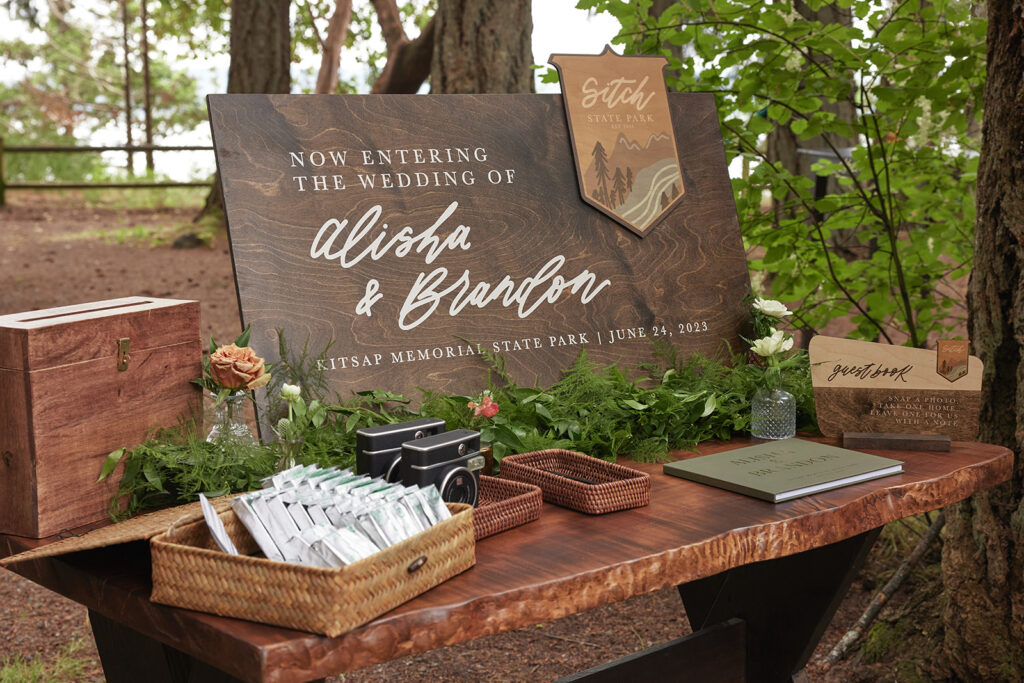
This is one of those details that feels minor until it’s missing. If there is no designated place for cards, guests notice immediately. And they will ask. Repeatedly. Especially older guests.
People arrive carrying a card and expect there to be a clear, secure place to leave it. Without one, guests start awkwardly looking around trying to determine:
- Should I hold onto this?
- Should I hand it to someone?
- Is there a gift table somewhere?
- Is this safe?
It creates unnecessary uncertainty right at the beginning of the event.
A simple, clearly visible card box solves the issue instantly. It’s one of the easiest guest experience wins you can have.
Waiting Is What Breaks the Experience
Guests are actually pretty patient when they feel taken care of. What they do not tolerate well is standing around with nothing happening.
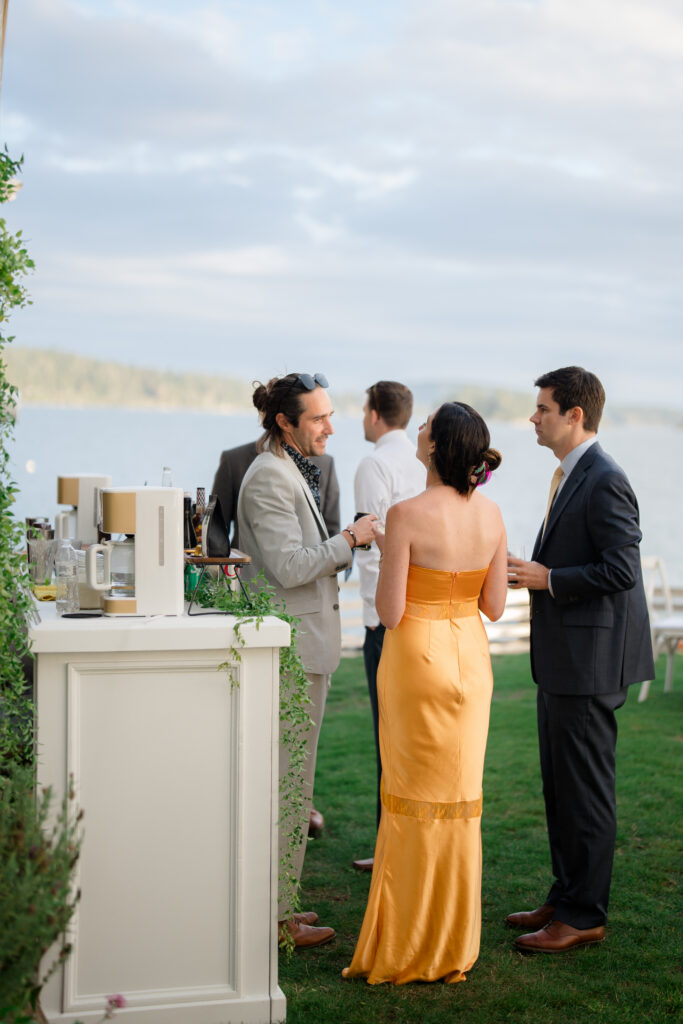
Bar lines are one of the biggest guest frustrations at weddings. Industry standard is typically one bartender per 50 guests, but that’s only a baseline. You also need to know your crowd. If you know your guests are heavier drinkers, staffing needs to reflect that.
It’s also important to understand that certain bar setups naturally slow service:
- full bars with cocktails
- complicated signature drinks
- keg beer service
All of these create bottlenecks if they are not staffed appropriately.
The same principle applies to dinner service.
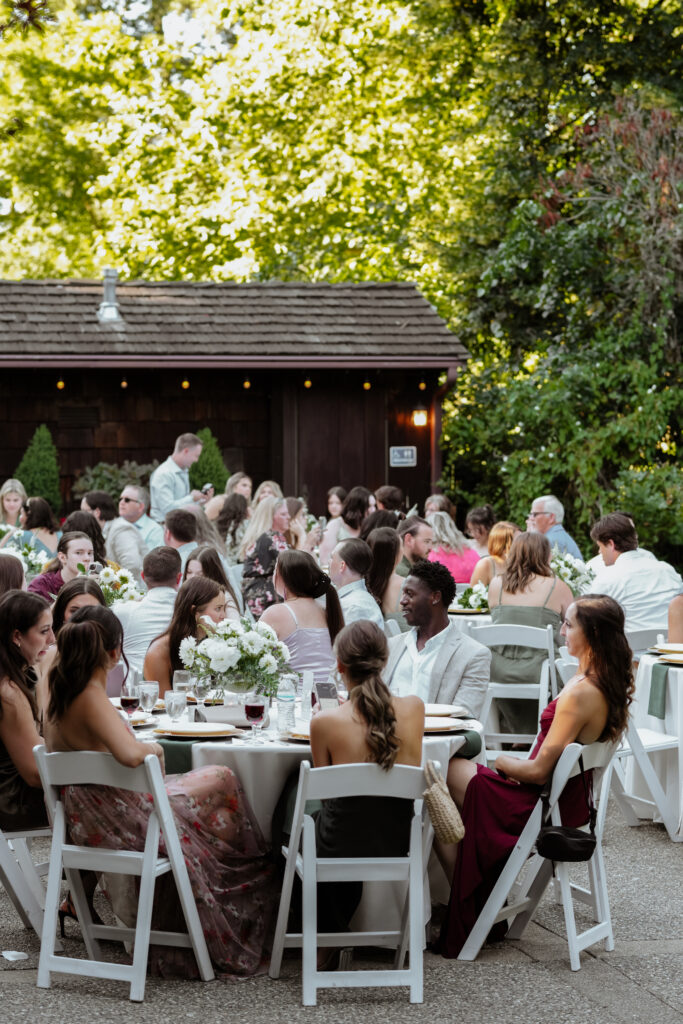
If you’re serving buffet dinner, I almost always recommend a preset salad. It gives guests something to do when they sit down. It breaks the ice at the table a bit and helps the evening feel like it’s moving while tables are being released for dinner.
Comfort Matters More Than Aesthetic
Guests will forgive a lot. They will not forget being physically uncomfortable.
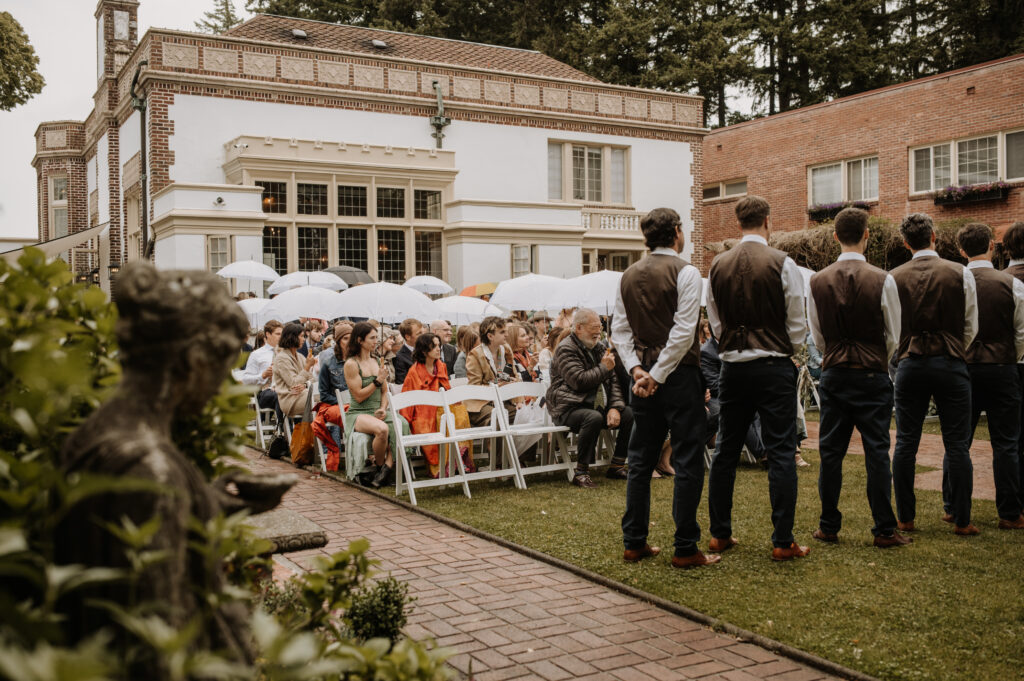
Temperature plays a massive role in overall guest experience. If guests are too hot or too cold, it quickly becomes the only thing they can focus on.
If your wedding is warm:
- prioritize shade
- have water easily accessible
- consider fans and airflow
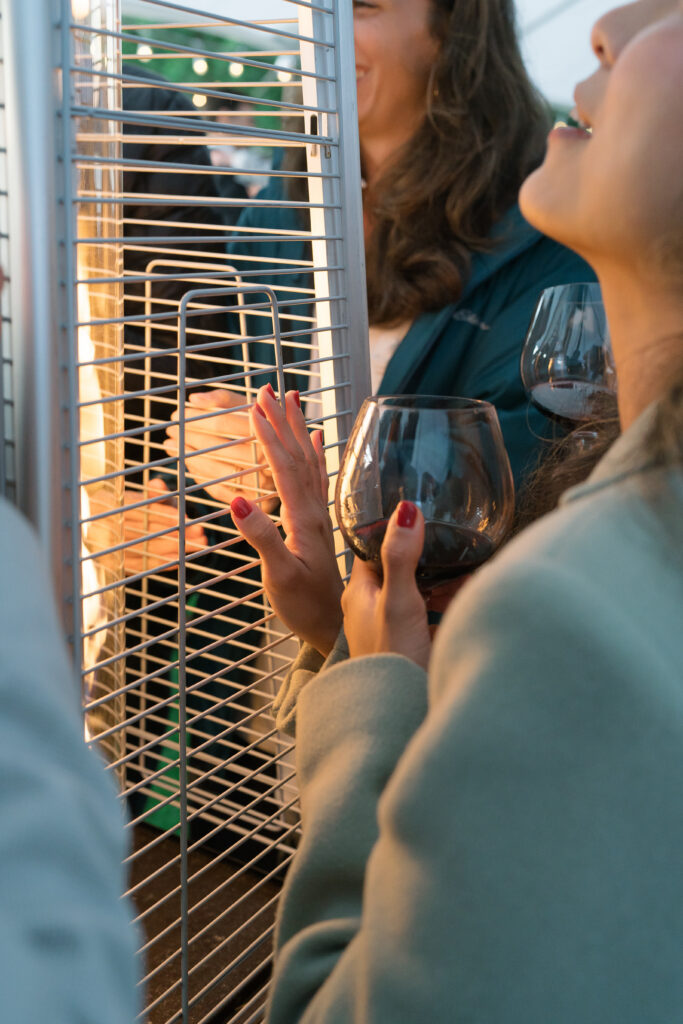
If your wedding is cold:
- heaters are essential
- hand warmers go a long way
- inexpensive throw blankets can completely shift comfort levels
Comfort is not about luxury. It’s about removing distractions so people can actually enjoy the event.
Guests Hate Feeling Confused
One of the fastest ways to create low level stress at a wedding is making guests guess what’s happening.
If people don’t immediately know:
- where the ceremony is
- where cocktail hour is
- where to sit
- where restrooms are
- when dinner starts
- whether they’re allowed to bring drinks somewhere
…they stop relaxing and start trying to problem solve.
Clear signage, a strong emcee, and good coordination dramatically improve guest comfort because people feel oriented and taken care of.
Audio Is Important
Guests can forgive not seeing everything. They cannot forgive not hearing anything.
If vows, speeches, or announcements are difficult to hear, guests disconnect almost immediately. Once people feel excluded from what’s happening, they start having side conversations instead.
A quality sound system changes the emotional impact of a wedding more than most design upgrades do.
Dead Time Changes the Energy Fast
Guests do not need constant entertainment. They do need momentum.
The hardest weddings for guests are usually the ones with long gaps where nobody knows what’s happening next.
This commonly happens:
- after the ceremony before cocktail hour opens
- If cocktail hour is too long
- during room flips
- between dinner and dancing
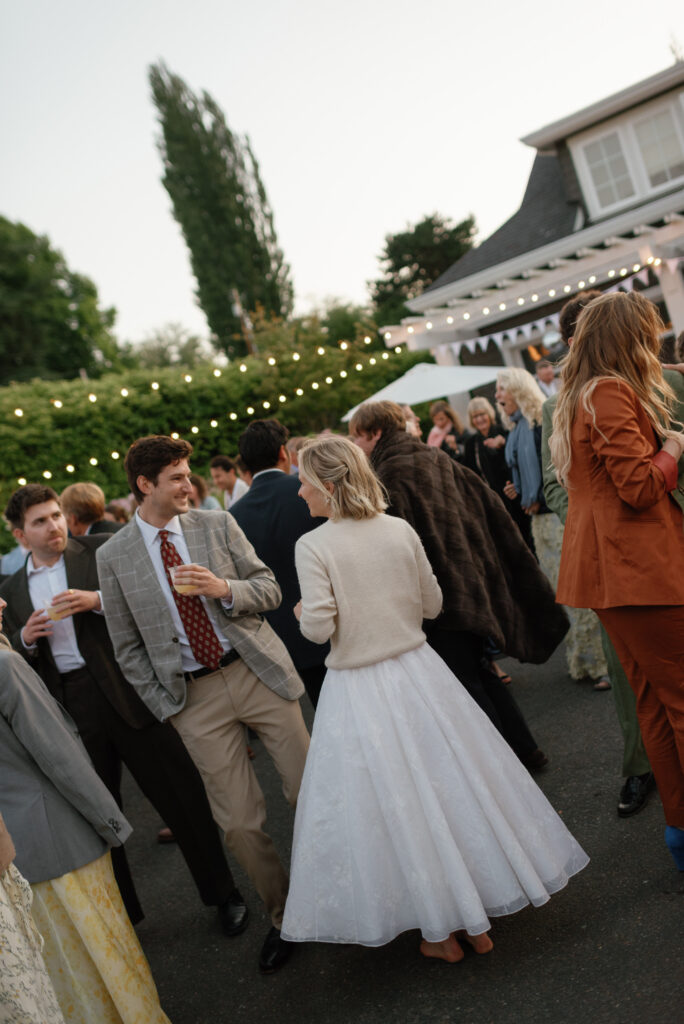
Even small touches help tremendously:
- drinks available immediately
- passed appetizers
- intentional music
- visible direction
- somewhere comfortable to sit
People mainly want to feel like the event is moving forward.
Length and Pacing Matter
Most guests are fully locked into a ceremony for around 20–30 minutes.
That doesn’t mean ceremonies should be rushed or stripped of meaning. It just means pacing matters, especially outdoors or during extreme weather.
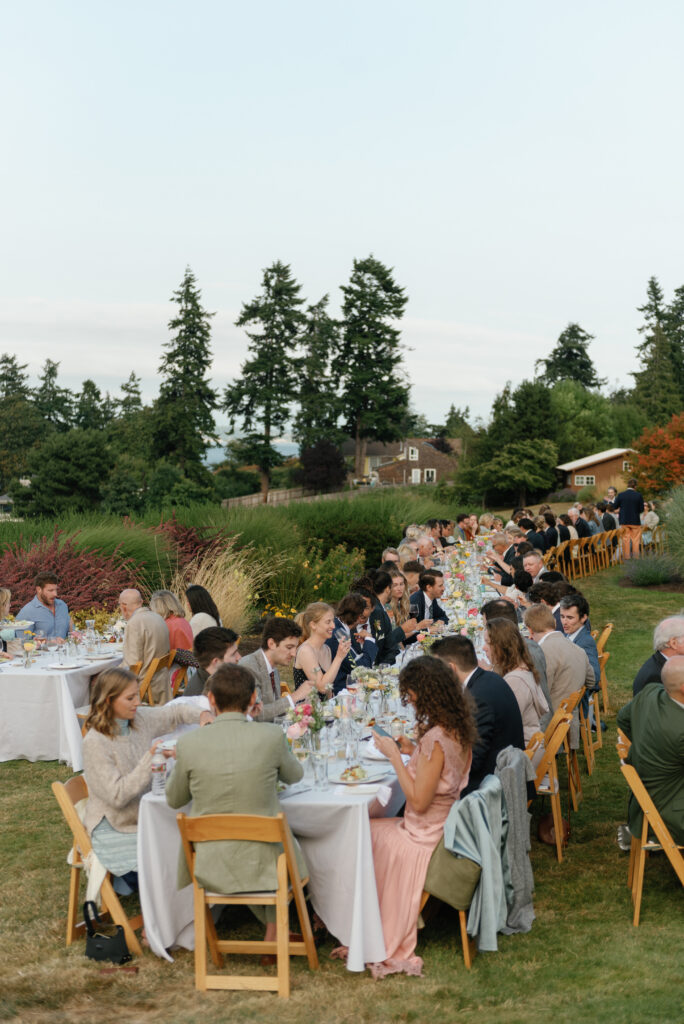
Toast is an other area where it can throw off your passing. You want a max of 20 minutes worth of toast. Anything more than that your guest will feel trapped.
Thoughtful pacing keeps guests emotionally connected instead of physically distracted.
The Bigger Picture
Guests rarely evaluate weddings the way social media does.
Most people are not analyzing:
- charger plates
- upgraded flatware
- imported florals
- whether every detail felt editorial enough
They are remembering:
- how the wedding felt
- whether things flowed smoothly
- whether they were comfortable
- whether they felt taken care of
- whether they got meaningful time with the couple
That’s usually what creates the feeling of a genuinely good wedding.


