Let’s breakdown this important part of the day and walk through the decisions we need to make. Each ceremony is unique but all have the same ingredients more or less.
Ceremony Style
Your ceremony can take many forms.
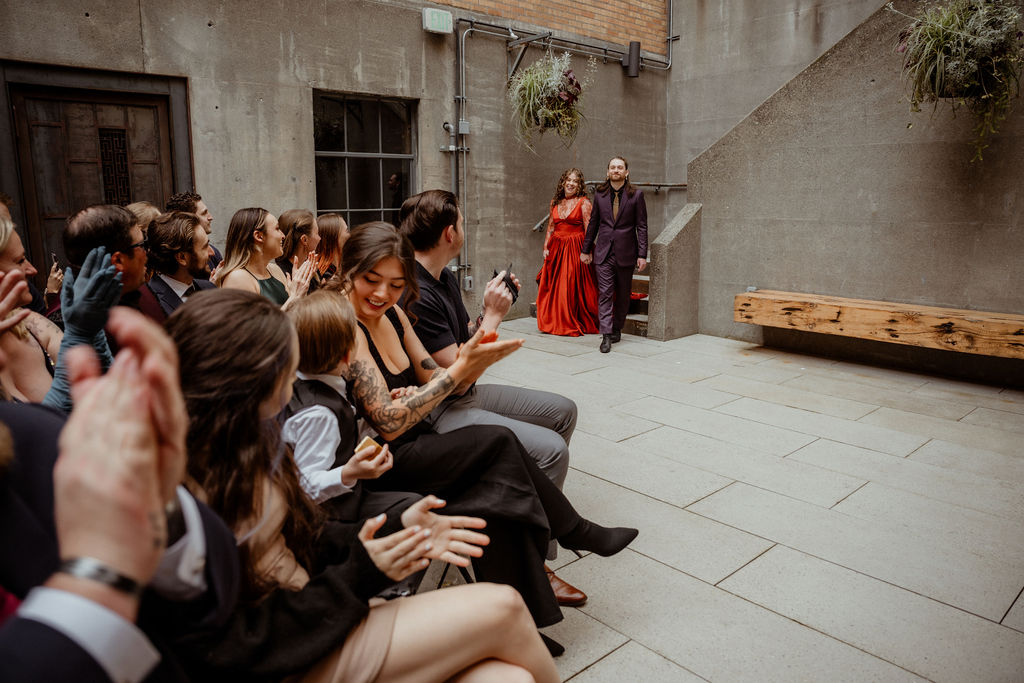
You might have a:
- Religious ceremony
- Secular ceremony
- Spiritual ceremony
- Cultural ceremony
- Interfaith ceremony
- Multicultural ceremony
- Civil ceremony
- Traditional ceremony
- Modern ceremony
- Fully personalized ceremony
You can also combine different approaches.
For example, you might incorporate a religious blessing into an otherwise secular ceremony, include cultural traditions from both families, or create a completely personalized ceremony with no traditional elements at all.
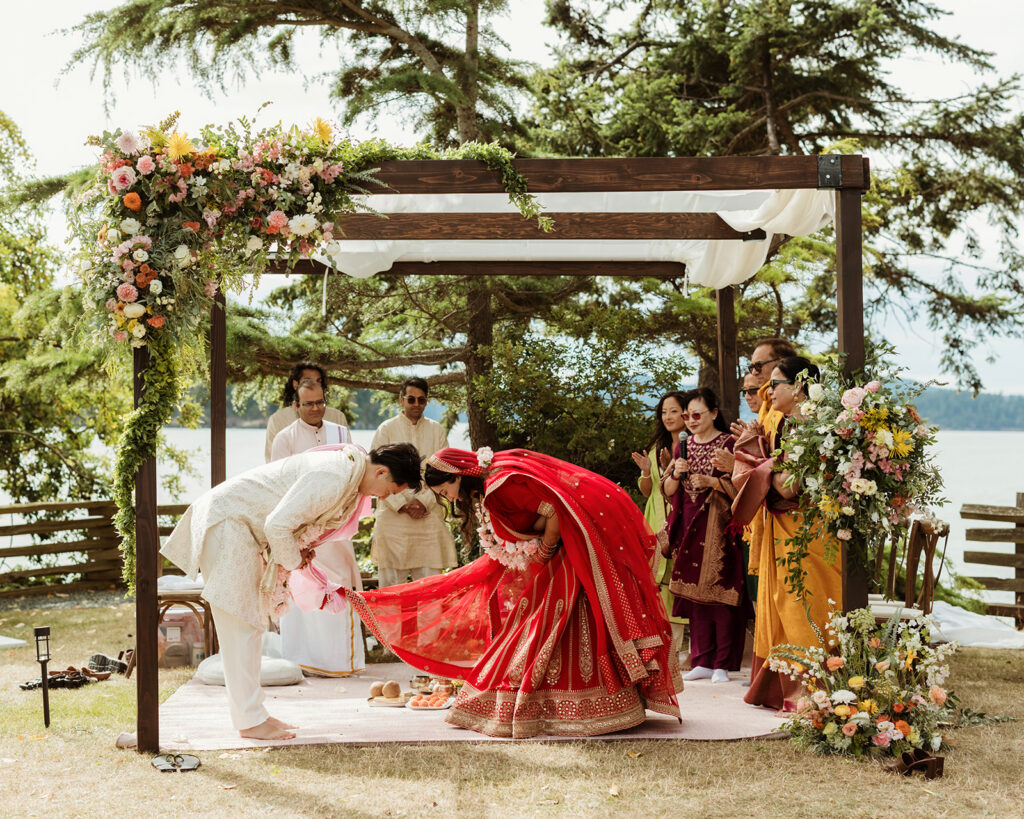
There isn’t one “right” ceremony. The right ceremony is the one that reflects your values, relationship, and priorities. Start to think about the bones of your ceremony in the early stages of planning and fine tune it with your officiant.
Choosing Your Officiant
Your officiant is more than the person who stands at the front and says the words.
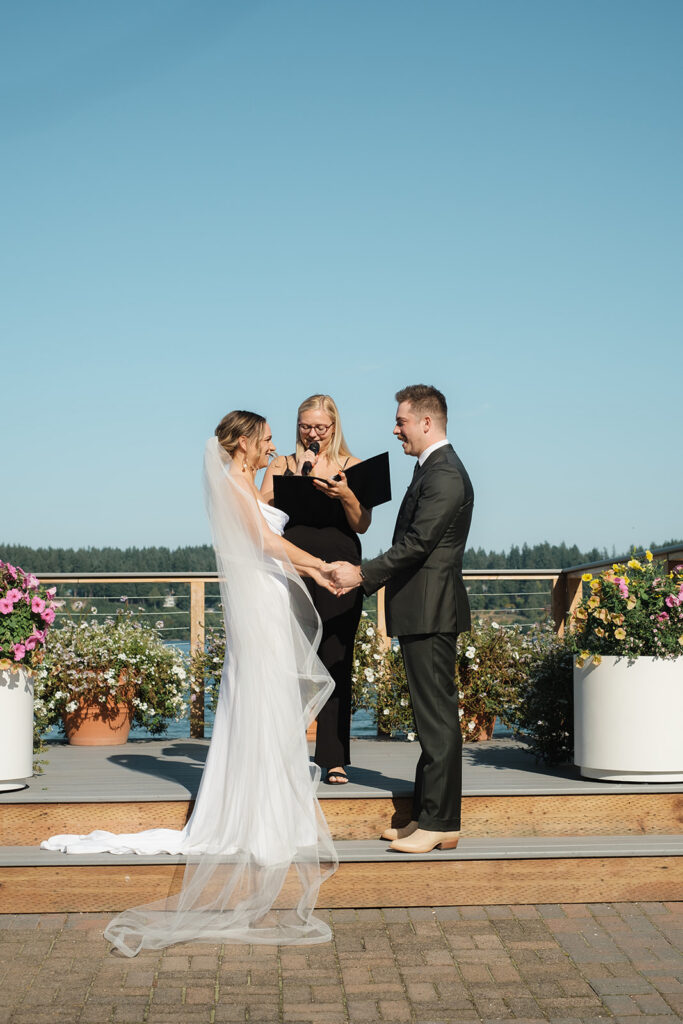
They help establish the tone and pace of your ceremony and often tell your story, guide your vows, introduce readings or rituals, and ultimately pronounce you married.
Your officiant might be:
- A religious leader
- A professional wedding officiant
- A friend or family member
- A judge or civil officiant
- A combination of people
Think about how involved you want your officiant to be.
Do you want someone who will simply guide the ceremony? Someone who will tell your love story? Someone who will provide marriage advice? Someone who shares your faith or cultural background?
If you are wanting a professional wedding officiant, let’s get this booked early on in the planning process. Seattle doesn’t have an abundance of options. They will usually run about $1,000.
The most common option is someone you know. To get ordained online only cost $25 and all of five minutes.
Guest Arrival
Let’s walk through the arrival.
Signage: Do you want to have a welcome sign? It depends your venue if it falls under need versus nice to have category. A welcome sign is a decorative sign that will have your all’s name on it. These are most often created through etsy/canva and printed at Fedex. Do you want programs? Programs are more of an item from the past because most weddings in Seattle aren’t held at a church where you might include readings and scriptures and they are often hosted all in one location. So they often are put in the nice to have category, I may have 1 wedding a year that prints them.
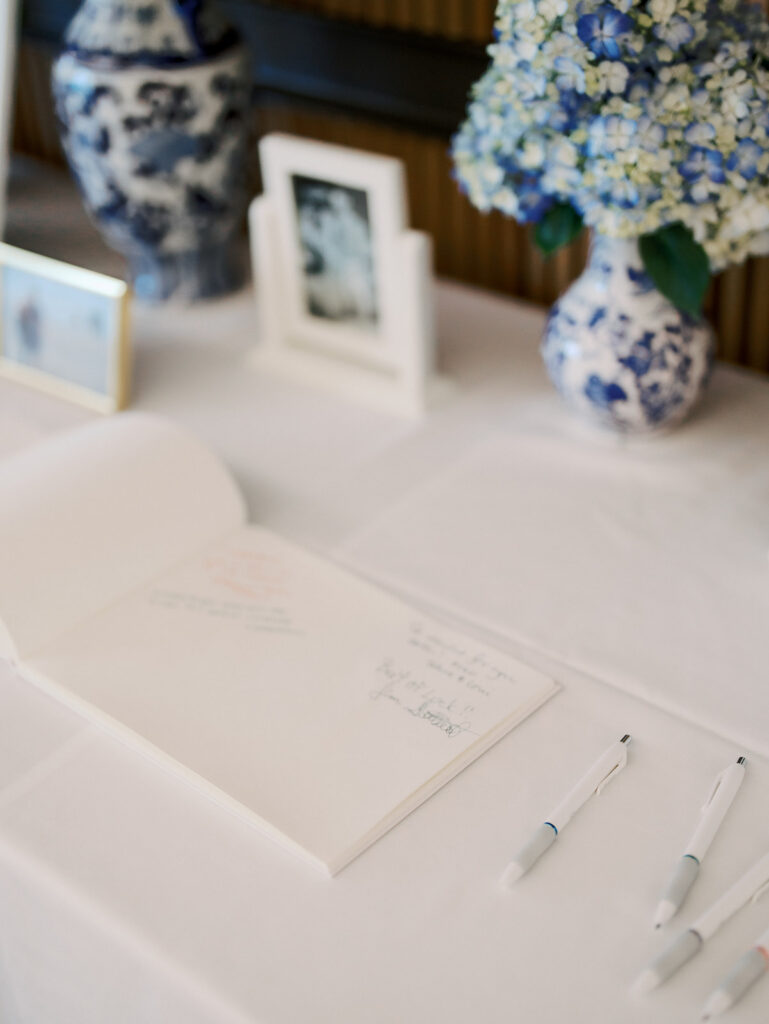
Welcome Table: It depends on your venue’s layout, sometimes this will be up for ceremony or alternatively in cocktail hour space. Items on a welcome table:
- Card Box- if you forget this, guest will ask where it’s at. It can be any vessel that will hold a card. I recommend locking this away after cocktail hour.
- Guest Book- A book where guest write their name and well wishes. You can get creative here. On of my favorites is a coffee table book and guest write in it. Don’t forget pens!
- Florals- not a need but something to think about when reviewing your floral needs. You can do a statement arrangement or a few budvases.
- Misc.- Photos in frames, polaroid camera, relationship mementos, fans, sunglasses, ect. none of these are required, but here to help get the juices flowing.
Refreshments: I recommend having a water station available upon guest arrival, espically if your ceremony is outdoors. Majority will wait to open the bar until cocktail hour.
Music: Make sure you schedule your DJ 30 minutes prior to the start of your ceremony so they can play prelude music. It sets a comfortable tone for your guest when they arrive if there is quiet background music.
Ushers: I would say only 20% of my weddings have these.
The Processional
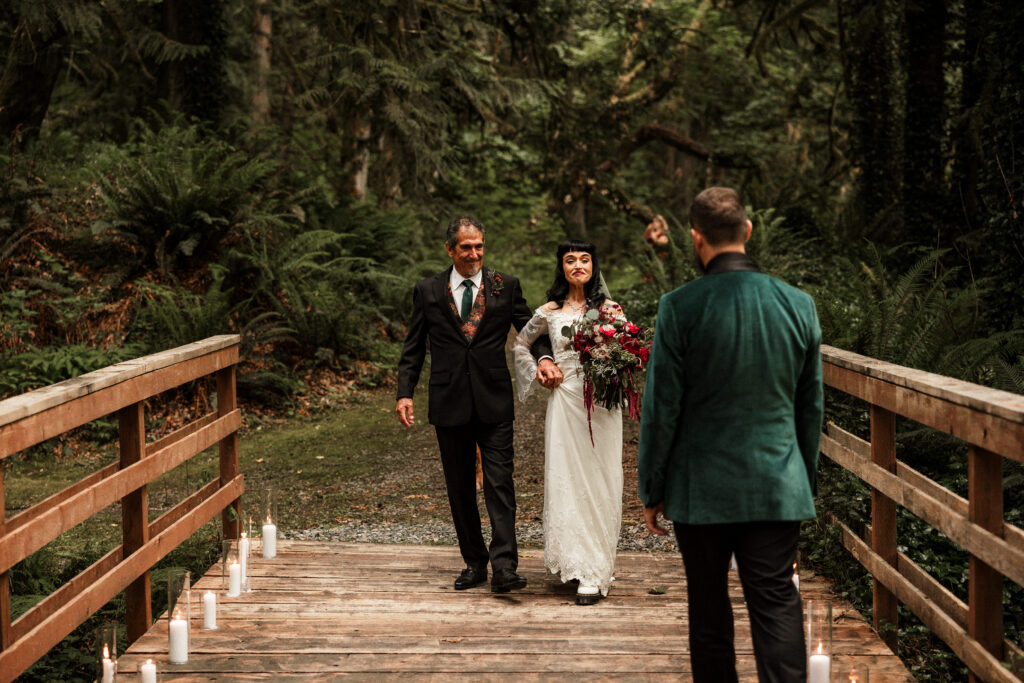
The processional is the moment the ceremony begins. It determines who enters, in what order, and to what music.
Traditionally, you might see parents or grandparents, followed by the wedding party, and then the couple.
But there are countless other possibilities.
You could have:
- One partner enter first
- Both partners enter separately
- The couple enter together
- The wedding party enter together
- Parents or family members escort someone down the aisle
- Children or pets participate
You can also create different musical moments for different entrances.
For example, the wedding party might enter to one song and the couple to another.
The important question isn’t, “What’s the traditional order?”
It’s:”How do we want to arrive at this moment together?”
The Ceremony Welcome
Once everyone is in place, the officiant typically welcomes the guests and acknowledges the purpose of the gathering.
This might be as simple as welcoming everyone and explaining why they’re there, or it can be more personalized.
The opening might include:
- A welcome
- An introduction of the couple
- A statement about marriage
- Acknowledgment of family and friends
- A prayer or blessing
- A moment of silence
- Recognition of loved ones who have passed away
- An explanation of the ceremony traditions that will follow
Think of this as the moment when your guests transition from being wedding guests to being witnesses to your commitment.
The Officiant’s Remarks & Your Story
One of the most personal parts of a ceremony can be the officiant’s remarks. This is where your relationship can become part of the ceremony itself.
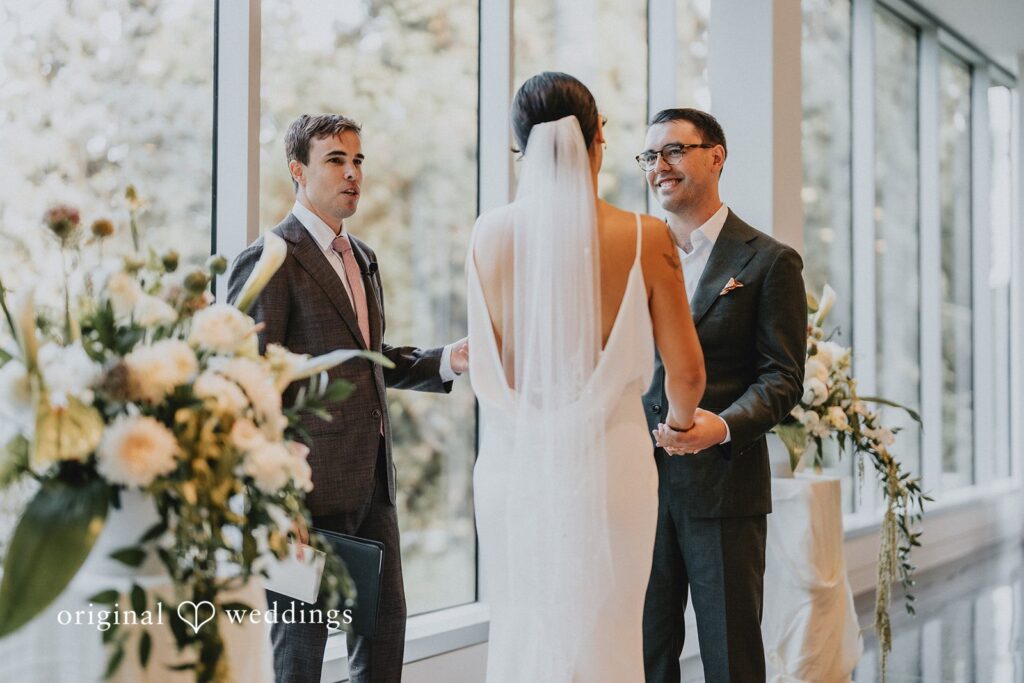
Your officiant might talk about:
- How you met
- Your first impressions of one another
- Your dating story
- Important moments in your relationship
- Challenges you’ve overcome
- What you admire about each other
- What makes your relationship unique
- Why you’re choosing marriage
- What marriage means to you
You don’t need to tell your entire love story.
Instead, think about the few things that help your guests understand who you are as a couple and why this commitment matters to you.
This is also where you can decide on the tone.
Readings
Readings can add another voice, perspective, or piece of meaning to your ceremony.
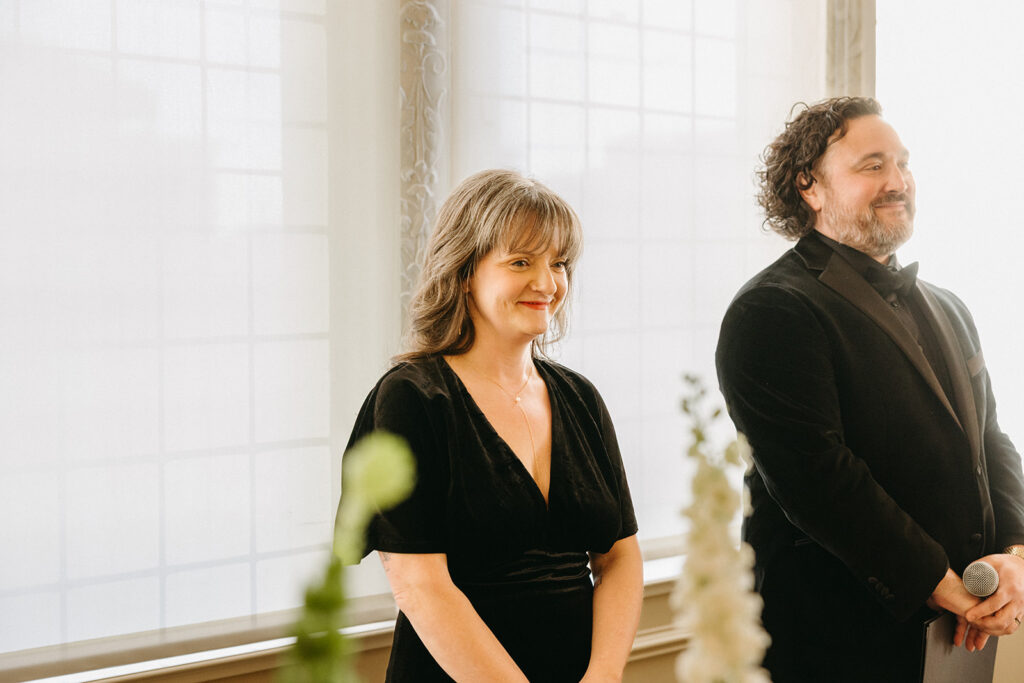
They might come from:
- Poetry
- Literature
- Religious texts
- Scripture
- Children’s books
- Song lyrics
- Novels
- Personal writing
- Letters
- Family traditions
- Cultural texts
You can have one reading, several readings, or none at all. If you include a reading, consider why you chose it.
Does it remind you of your relationship? Does it communicate something you believe about love or marriage? Does it honor your culture or faith? Does it involve someone meaningful to you?
Choose something because it means something, not because you think every ceremony is supposed to have a reading.
Family & Loved Ones
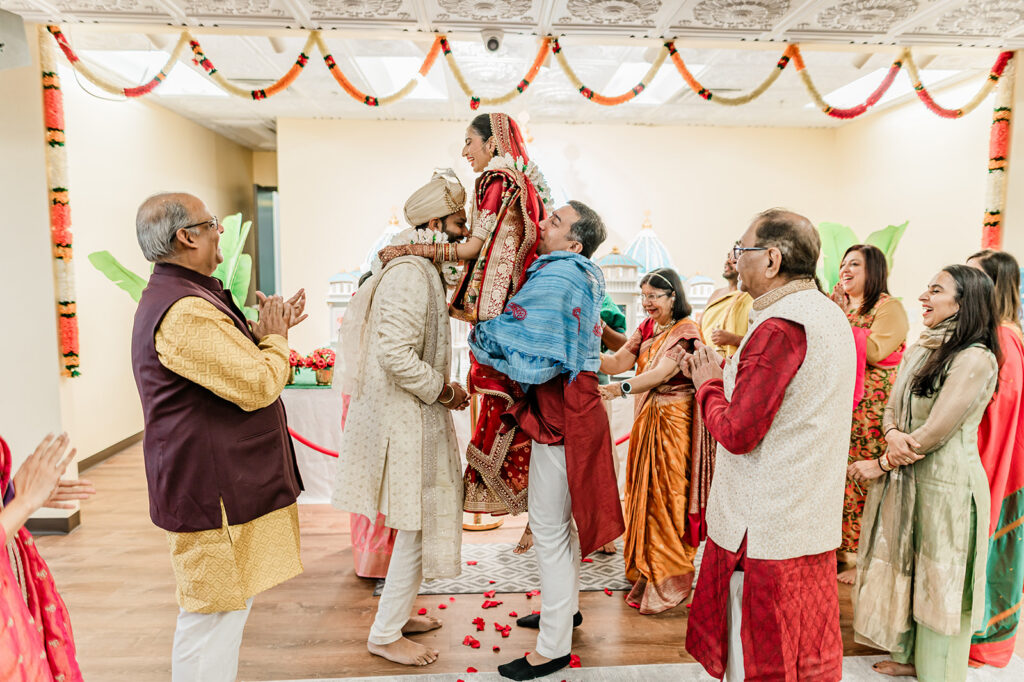
Your ceremony can be an opportunity to recognize the people who helped shape you and your relationship.
Family and friends might participate by:
- Walking someone down the aisle
- Giving a blessing
- Giving a reading
- Presenting the rings
- Participating in a ritual (warming of the rings or passing well wishes on the ring are some of my favorites)
- Offering a prayer
- Standing with you
- Making a communal promise to support your marriage
You don’t have to give someone a formal title or wedding-party position to include them.
Consider asking yourselves:Who are the people who have meaningfully contributed to our lives, and how would we like to honor their presence today?
Remembering Those Who Can’t Be There
For many couples, someone important will be missing from the guest list.
You might choose to acknowledge a loved one who has passed away through:
- A spoken acknowledgment
- A moment of silence
- A photograph
- A family heirloom
- A piece of jewelry
- A favorite flower
- A reserved seat
- A reading or song
- A meaningful ritual
But you don’t have to make remembrance a public part of your ceremony. Sometimes carrying a loved one’s memory privately is just as meaningful.
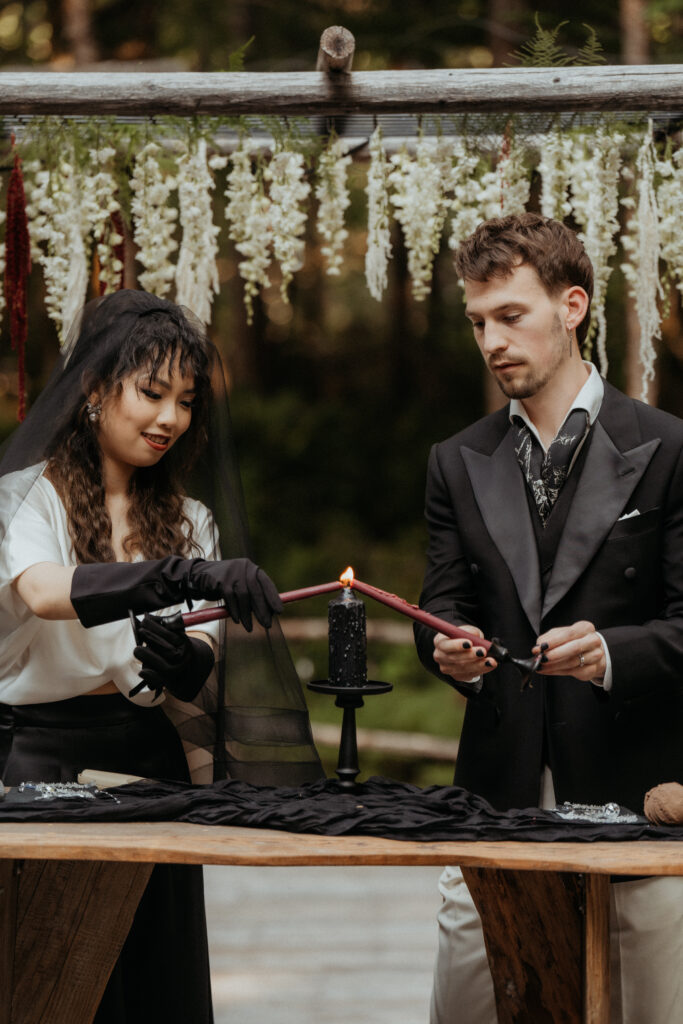
Ceremony Rituals & Traditions
Rituals give your ceremony a physical or symbolic action to accompany the words you’re saying.
There are countless possibilities.
Some familiar examples include:
- Unity candle
- Sand ceremony
- Handfasting
- Tea ceremony
- Breaking of the glass
- Wine ceremony
- Tree planting
- Family blessing
- Ring warming
Some rituals come from specific cultural or religious traditions, while others have become popular wedding traditions.
You can also create your own. Think about something that represents your relationship. Maybe you love cooking together, traveling, gardening, sharing a morning coffee, or building things together.
A meaningful ceremony ritual doesn’t have to come from a wedding tradition. It can come from your tradition.
Your Vows
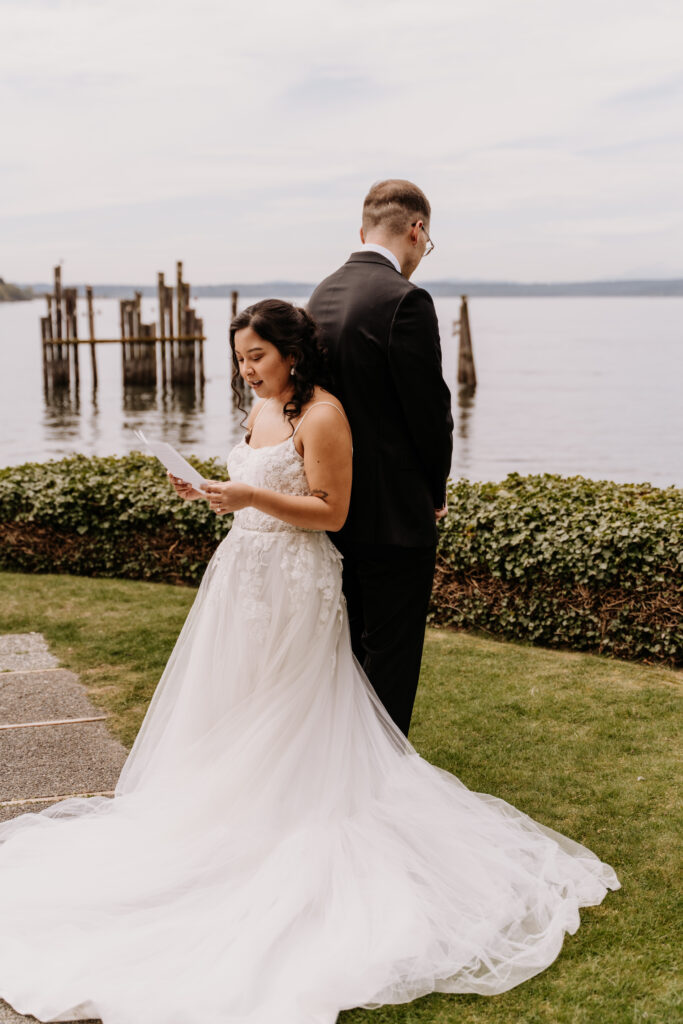
For many couples, the vows are the heart of the ceremony.
You have several options.
Traditional vows
You repeat established vows that have been used for generations.
Repeat-after-me vows
Your officiant speaks each line and you repeat it.
Shared vows
Both partners say the same set of promises.
Personal vows
Each partner writes and speaks their own vows.
Private vows
You exchange personal vows privately before or after the ceremony and choose to keep the most intimate promises between yourselves.
There is no rule that says your vows have to sound like anyone else’s.
When writing personal vows, consider:
- What do you love about this person?
- What have they taught you?
- What do you promise them?
- What do you want to build together?
- How will you support them during difficult seasons?
- What are you looking forward to experiencing together?
- What makes this person your person?
And don’t worry about making your vows perfectly equal. One person may write three paragraphs while the other writes one. What matters is that the promises feel genuine.
The Ring Exchange
The ring exchange is another opportunity to personalize your ceremony.
You’ll need to decide:
- Who holds the rings before the ceremony?
- Who brings them forward?
- Who goes first?
- What will you say?
- Will the ring words be traditional or personal?
- Will your ring exchange repeat your vows or complement them?
- Are you using family heirlooms?
You can also incorporate a ring-warming tradition, where your rings are passed among your guests before the ceremony so loved ones can hold them and offer a silent blessing or good wish.
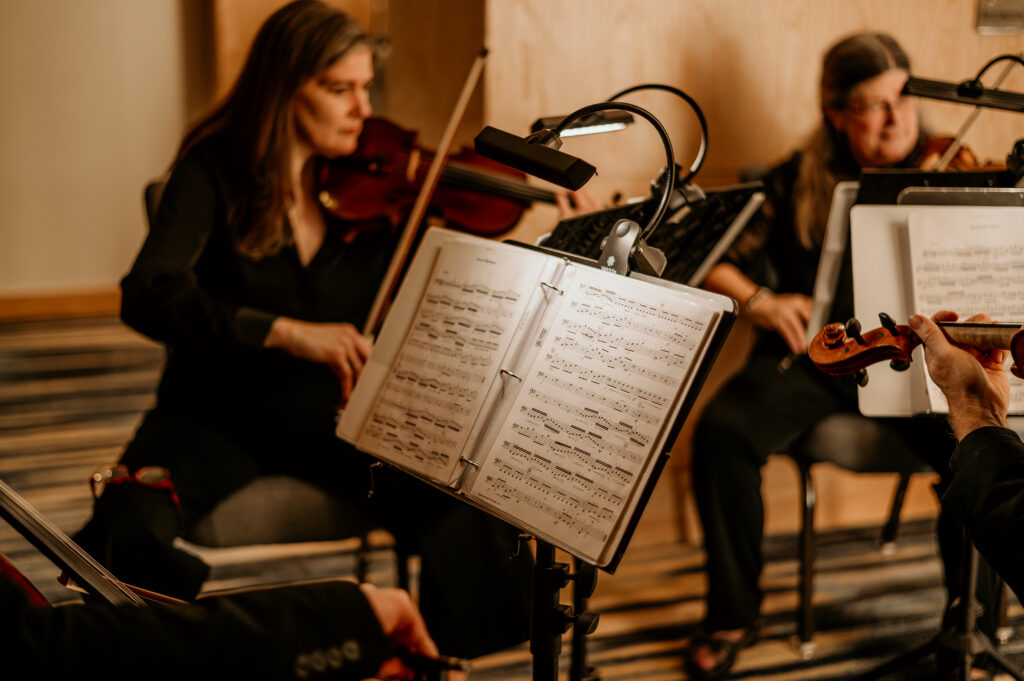
Music
Music doesn’t have to be limited to the processional and recessional.
Consider music for:
Prelude
Music playing as guests arrive and take their seats.
Processional
Music accompanying the entrances.
Ceremony moments
Music can accompany a reading, ritual, prayer, reflection, or other transition.
Recessional
The music that celebrates your first moments as a married couple.
Postlude
Music that continues as guests leave or transition to the next part of the day.
You can choose live musicians, recorded music, instrumental versions, songs with lyrics, or a combination.
The music doesn’t just fill silence. It helps establish the emotional rhythm of the ceremony.
The Pronouncement
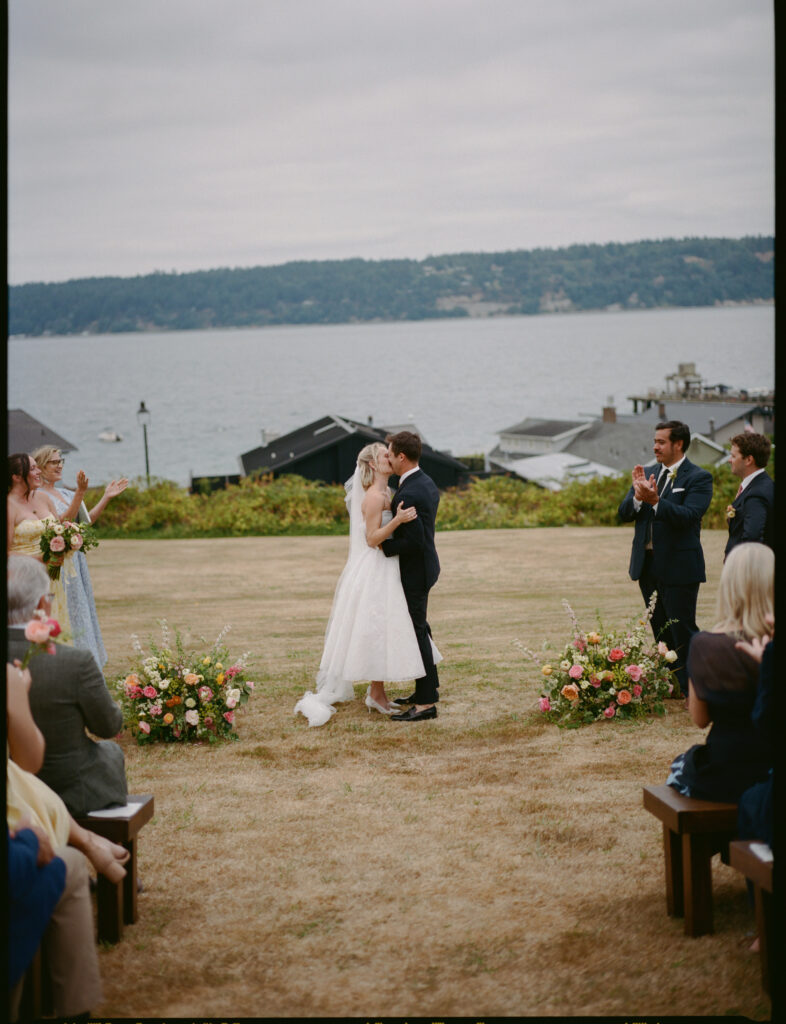
The pronouncement is the moment when the officiant formally declares you married.
It can be traditional:
“You are now married.” and then followed by your last name or you can change it and go by first name.
Or it can be more personalized.
This is often followed by the first kiss.
The Recessional
The recessional is your exit from the ceremony.Traditionally, the newly married couple exits first, followed by the wedding party and immediate family.But again, there are plenty of alternatives.
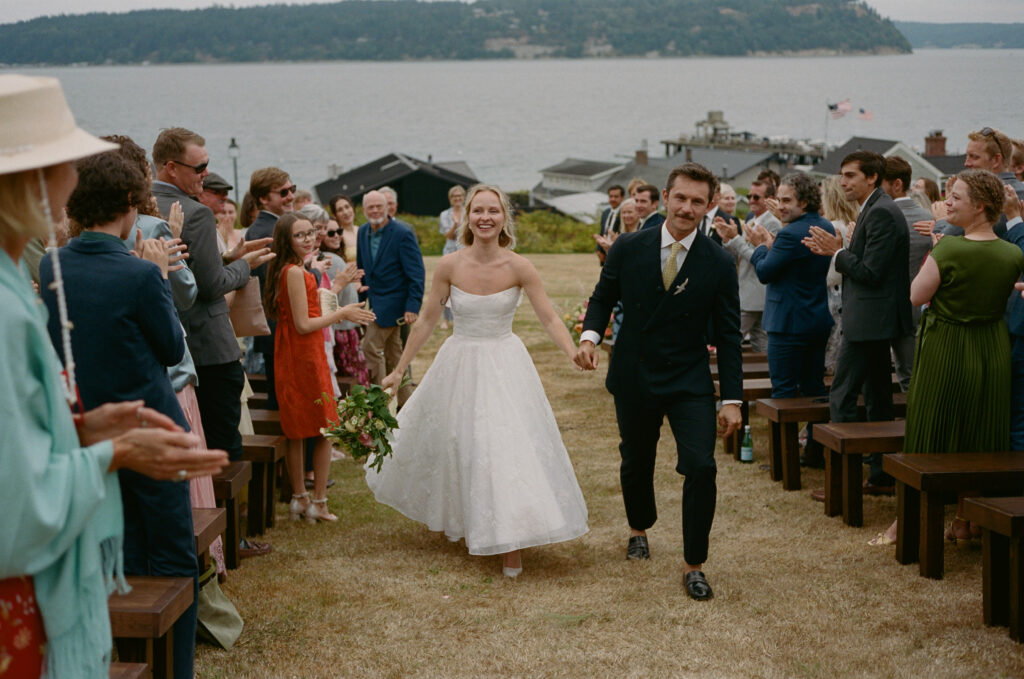
You might:
- Walk out together
- Dance out
- Have your wedding party follow
- Have guests remain seated
- Invite guests to join you
- Include confetti, petals, bubbles, or another celebratory element
Think about where everyone is going immediately afterward and how you want that transition to feel.
The Legal Elements
There is an important distinction between the ceremony experience and the legal requirements of getting married.
Depending on your location, you may need to consider:
- Marriage license
- Authorized officiant
- Witnesses
- Signatures
- Legal documentation

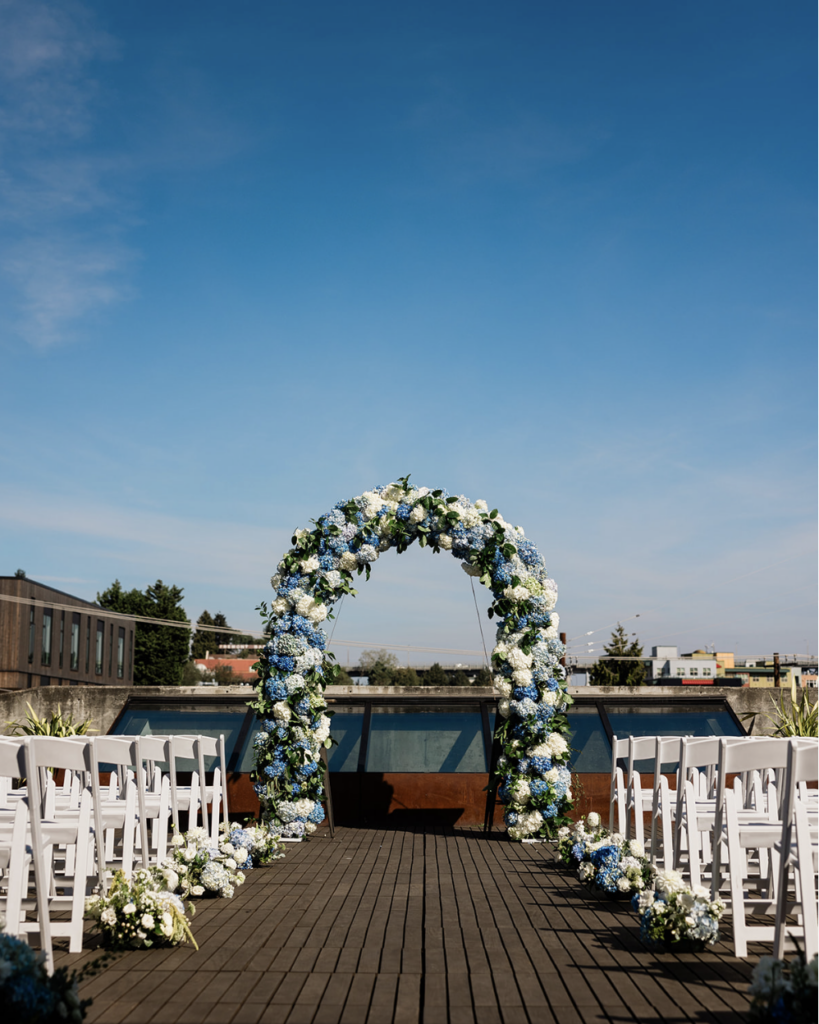
The Physical Setup of the Ceremony
The ceremony isn’t just about what is said. It’s also about what your guests experience visually and physically.
Consider:
- Where you stand
- Where your officiant stands
- Where your wedding party stands
- Guest seating- make sure to have about 10 extra chairs because guest won’t sit themselves perfectly. Factor in if your wedding party is standing
- Aisle width
- Accessibility
- Sun direction – will guest be staring into the sun?
- Wind – always factor wind in PNW
- Sound – make sure you have electric for your DJ
- Lighting
- Floral arrangements
- Ceremony backdrop
A beautiful ceremony setup should still allow your guests to comfortably see and hear what is happening.
The Three Questions to Ask About Every Ceremony Element
As you’re making decisions, come back to these three questions:
Does this have meaning for us?
Does it represent something we value, believe, or want to honor?
Does this add something to the experience?
Will it make the ceremony more personal, emotional, joyful, beautiful, or memorable?
Are we choosing this because we want it or because we think we’re supposed to?
That last question might be the most important one. There are hundreds of wedding traditions, but you don’t have to follow any of them simply because they’re traditional. Your ceremony is the beginning of your marriage. It should feel intentional, personal, and true to the two people standing at the center of it.
Choose the traditions that mean something.
Create new ones when the existing ones don’t.
And leave everything else behind.


