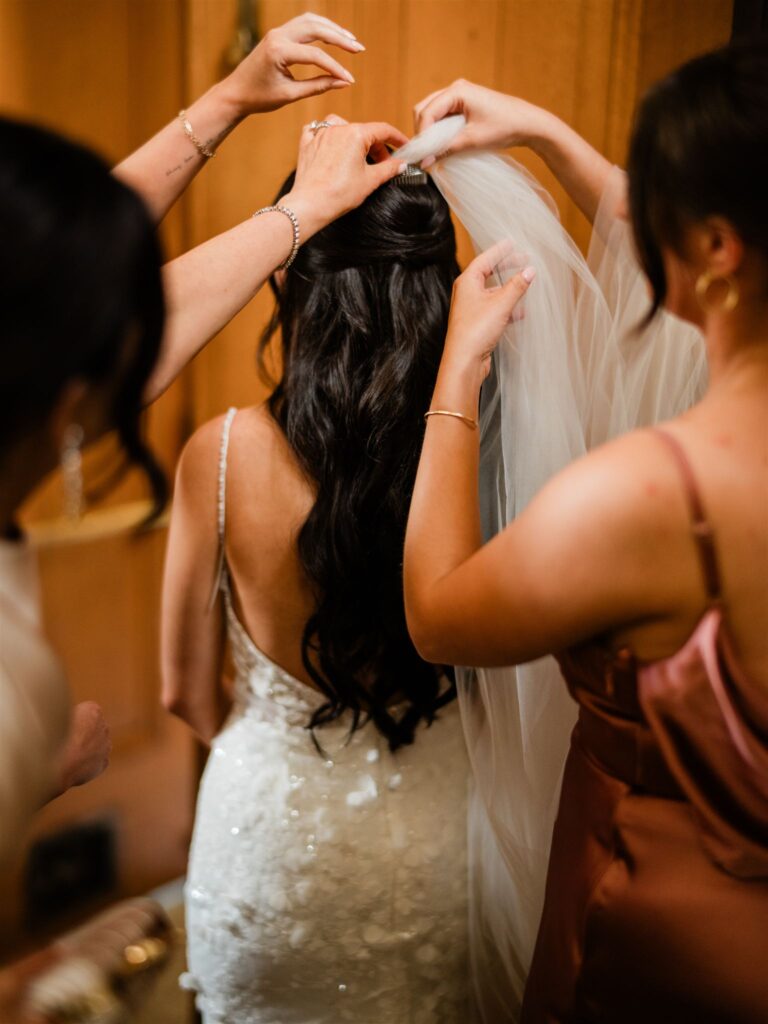
Veils give you that iconic bridal feeling. They’re the final touch added right before you say yes to the dress, the moment meant to seal the experience and make it all feel real. When a dress stylist wants to shift you fully into bride mode, the veil is what they reach for.
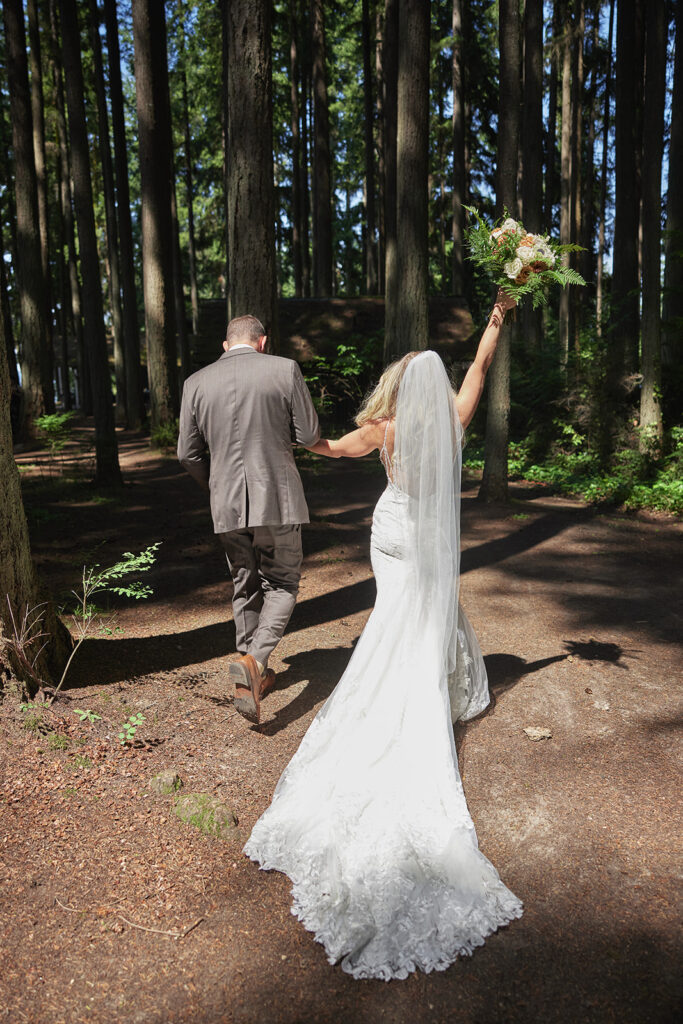
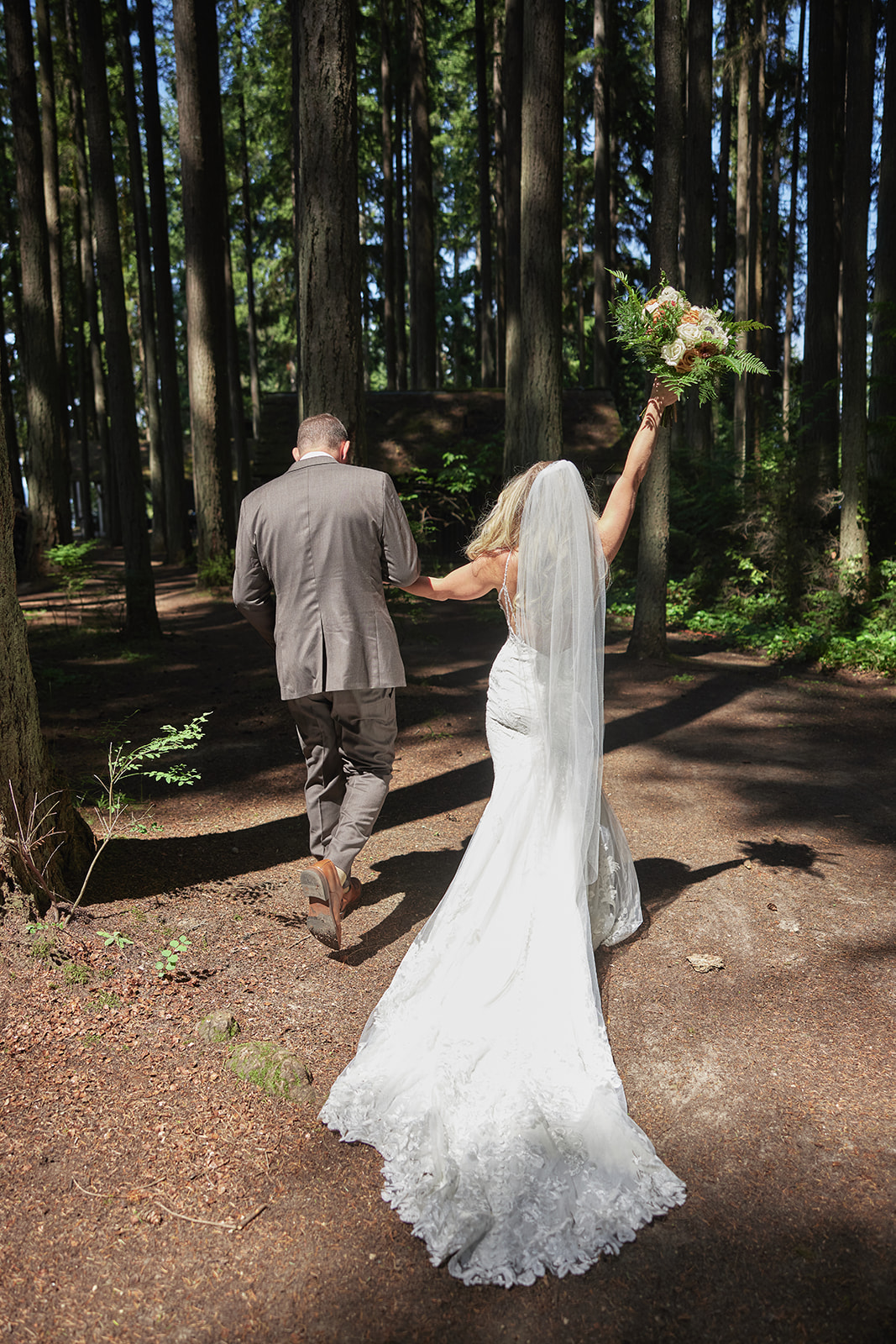
The biggest thing to consider before selecting a veil is where you’re getting married. Long veils look incredible, but the ground beneath your feet matters more than most couples expect. Outdoor ceremony spaces often come with gravel, uneven stone, grass, pine needles, or small branches that can easily snag delicate tulle. I’ve watched veils collect debris or catch on the aisle before a bride even reaches the altar. This doesn’t mean a long veil is off the table, it just means thinking ahead. In many cases, couples choose to wear the veil for the aisle and portraits, then remove it immediately after the ceremony, or opt for a slightly shorter length that still delivers drama without the added stress.
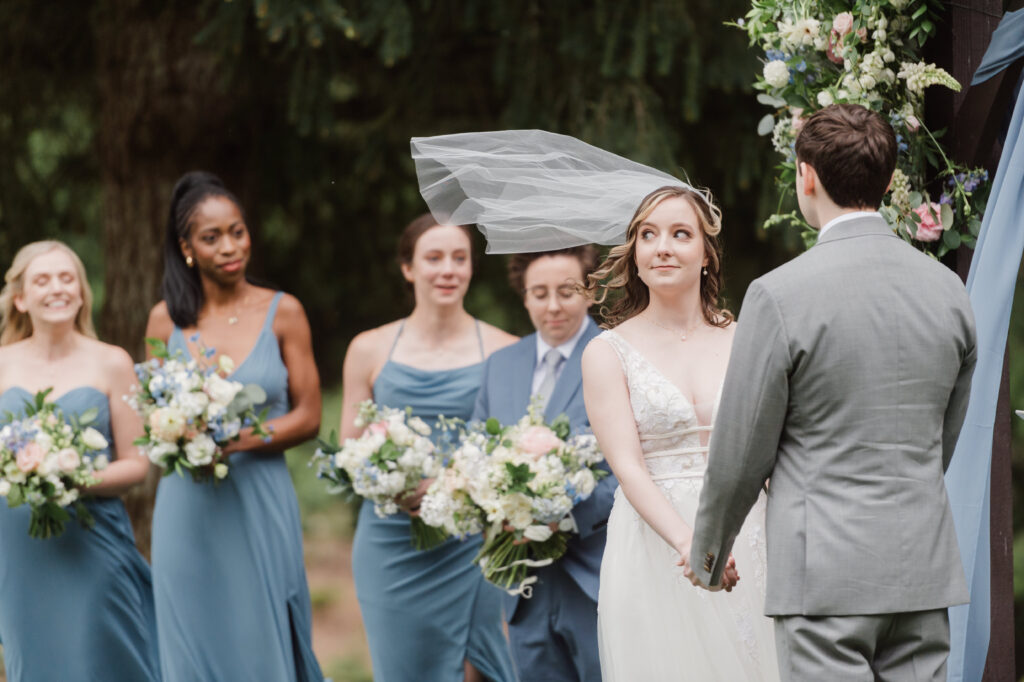
Wind is another factor that deserves more attention, especially for outdoor weddings near water or in open spaces. A light breeze can add movement and softness, but stronger wind has a way of pulling veils into faces, wrapping around arms, or tugging at hairstyles during the most important moments. When this happens, the veil stops feeling romantic and starts feeling distracting. One simple, discreet solution is having your maid of honor gently hold the veil during the ceremony if needed. It keeps the focus where it belongs and allows you to stay present rather than managing fabric mid-vows.
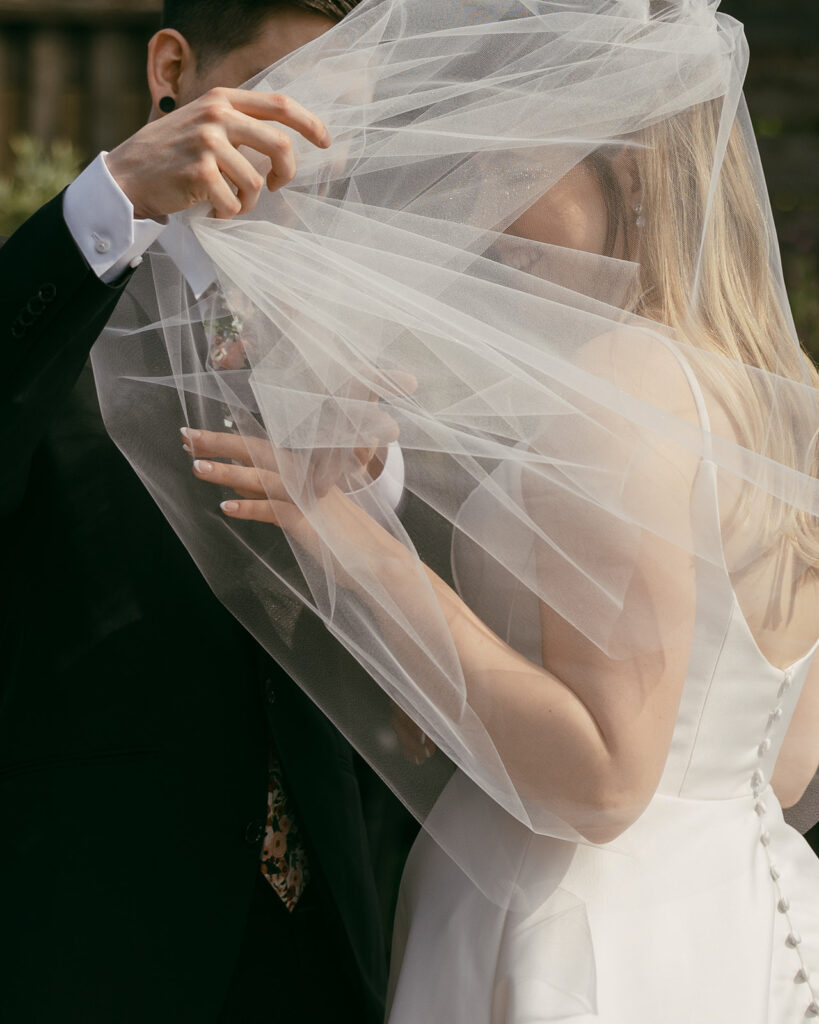
Veils also come out more often than you’d anticipate. Between portraits, hugs, and weather adjustments, it’s common for the veil to be removed and reinserted multiple times. Because of this, it’s important that someone besides you knows how to put it back in correctly. A quick tutorial from your hairstylist can make all the difference. Knowing where the comb sits, the correct angle, and how to avoid disrupting curls or pins prevents unnecessary stress later in the day.
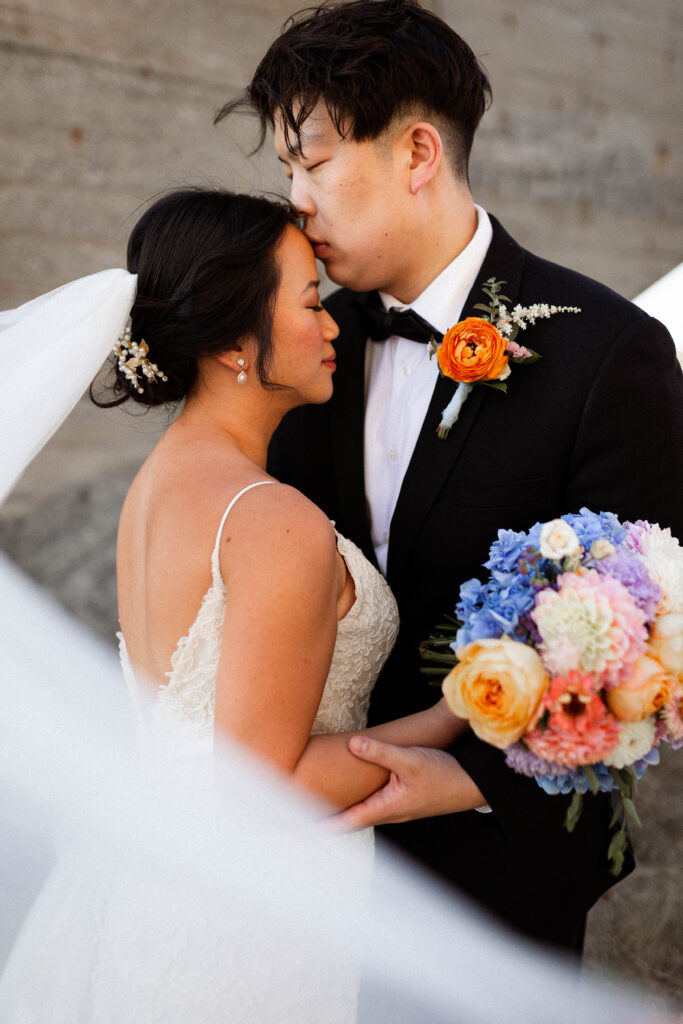
If you’re worried about movement or wind, veil weights help keep your veil in place. Sewn discreetly into the hem, they help keep lightweight tulle grounded without being visible. They’re especially helpful for outdoor ceremonies and longer veils, and often provide just enough stability to make the veil feel manageable.
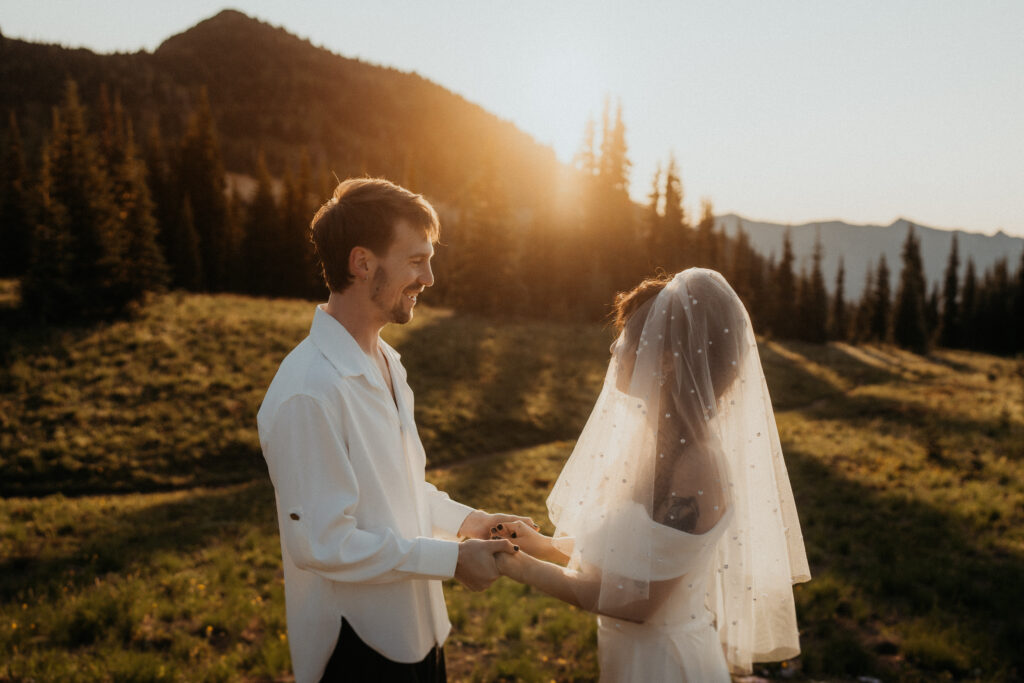
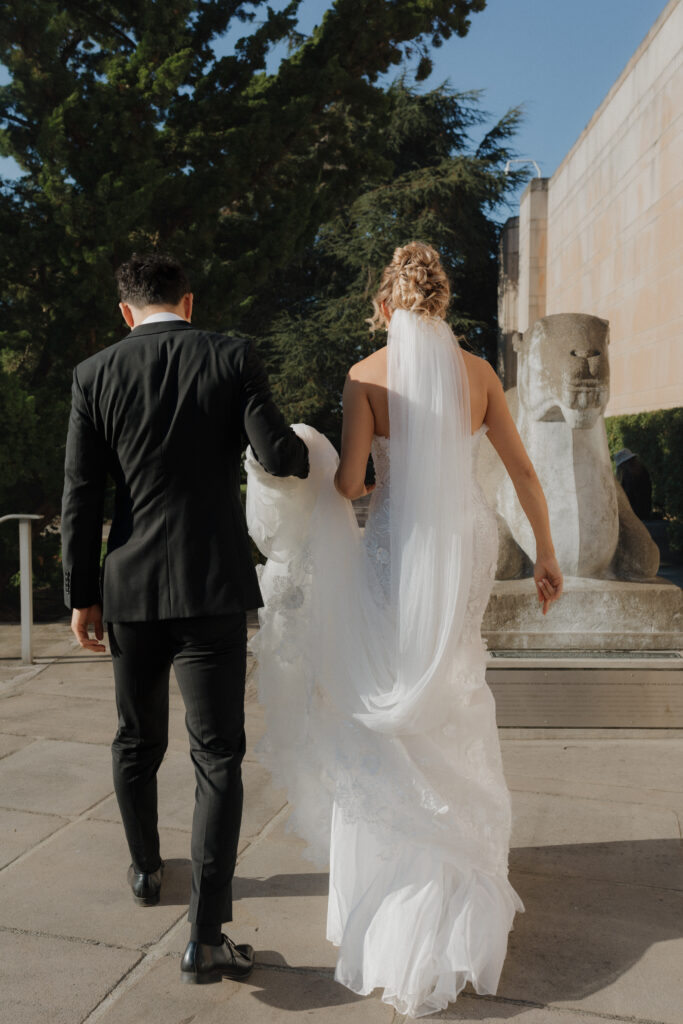
Veil length also plays a role in how much maintenance it requires. Shorter styles like birdcage or blusher veils tend to stay structured and out of the way. Shoulder, elbow, and fingertip lengths will give you the bridal look but easier to manage. Chapel and cathedral veils bring undeniable impact, but they’re more sensitive to terrain and weather. None of these options are wrong. The key is understanding how they’ll behave in your specific setting.
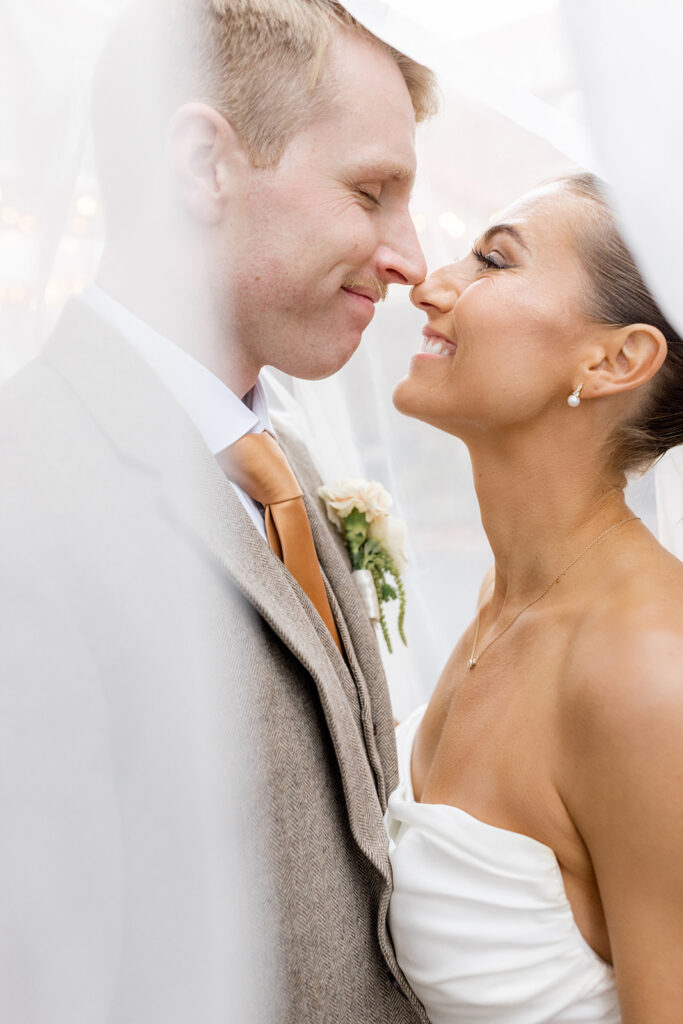
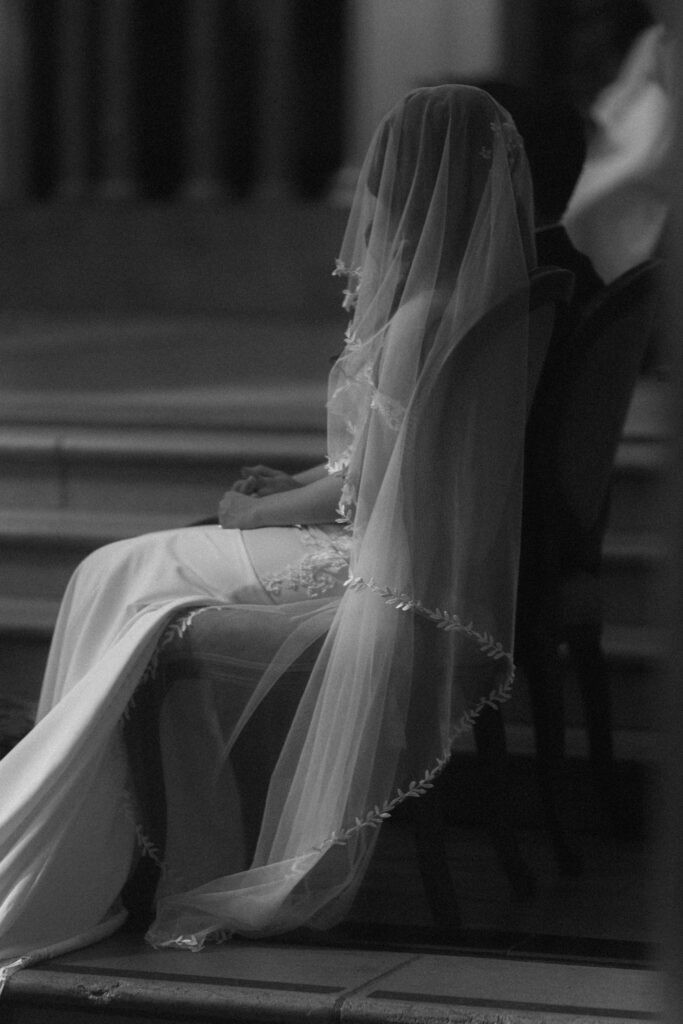
From a photography standpoint, veils are one of the most valuable accessories you can wear. They add movement, depth, and texture to images, and they give couples something natural to interact with during portraits. Photographers can drape, toss, or layer the veil to create everything from soft silhouettes to editorial moments. Even couples who are unsure about wearing a veil often end up glad they included one, if only for photos.
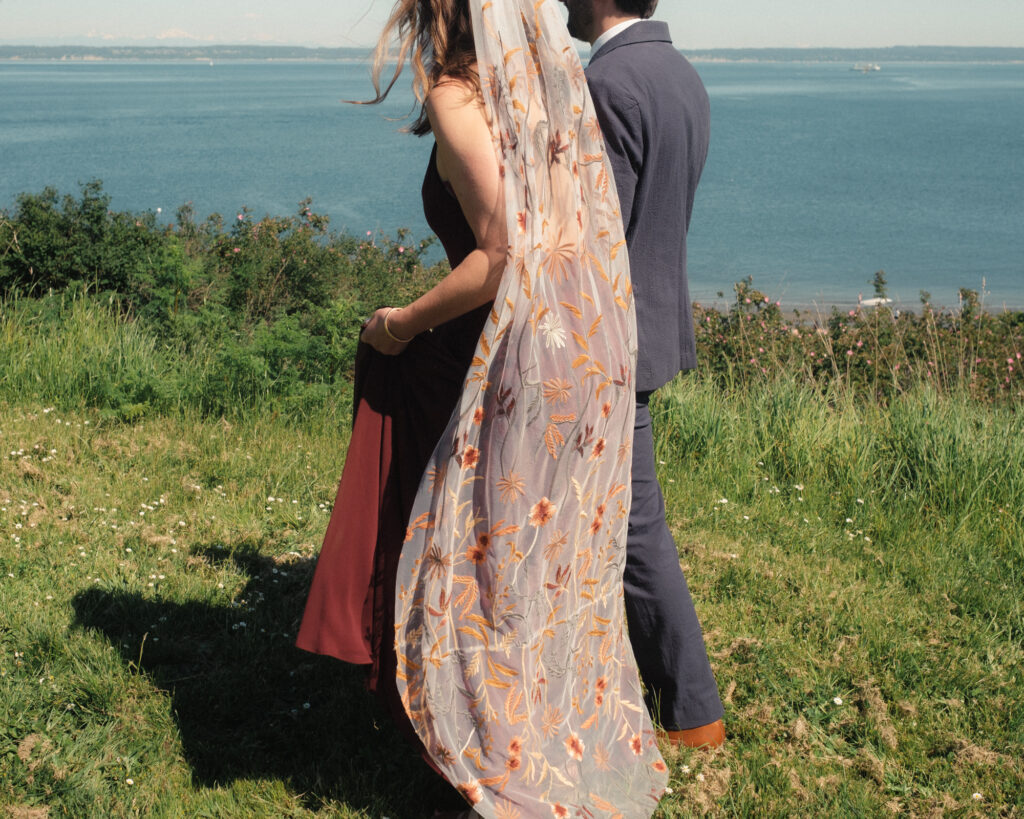
Embroidered veils have also become increasingly popular, and they can be a beautiful way to add personality through initials, dates, or subtle phrases. It’s worth noting that embroidery adds weight, which can help with wind but may make the veil feel heavier overall. It’s a trade-off that’s usually worthwhile, just something to be aware of.
When it comes to pricing, this is where I tend to be very practical. Once a veil is on, in motion, and photographed, it’s incredibly difficult to tell the difference between a high-end designer veil and a well-made, more affordable option. Veils are worn for a short portion of the day, and there are excellent choices available online that photograph beautifully. For most couples, budget is better spent on tailoring, photography, or florals rather than an ultra-expensive veil.